The Hakone Loop
Hakone is the classic Tokyo escape because the transport is the attraction: a loop of mountain railway, cable car, ropeway, lake boat, and bus that circles a volcanic caldera about 90 minutes from Shinjuku. The Hakone Freepass from Odakyu covers the whole loop plus the discounts, sold at odakyu-global.com; the Romancecar reserved express from Shinjuku costs a small supplement and is the comfortable way out. Buy the pass, ride the loop, and let the sequence do the work.

The Loop, in Order
From Hakone-Yumoto, the Tozan railway switchbacks up the mountain to Gora; a cable car climbs to Sôunzan; the ropeway crosses the volcanic valley of Ôwakudani, all sulfur steam and bare rock, where the stalls sell eggs blackened in the springs; the ropeway continues down to Tôgendai on Lake Ashi; the sightseeing boats, styled as pirate ships, cross the lake to Moto-Hakone; and the bus closes the circle back to Yumoto. Run it in that direction on a clear morning, because the ropeway is where Fuji shows. Sections of the ropeway close when volcanic gas levels rise at Ôwakudani; buses bridge the gap when it happens, and the operator posts status at hakonenavi.jp.
Fuji, the Shrine, and the Onsen
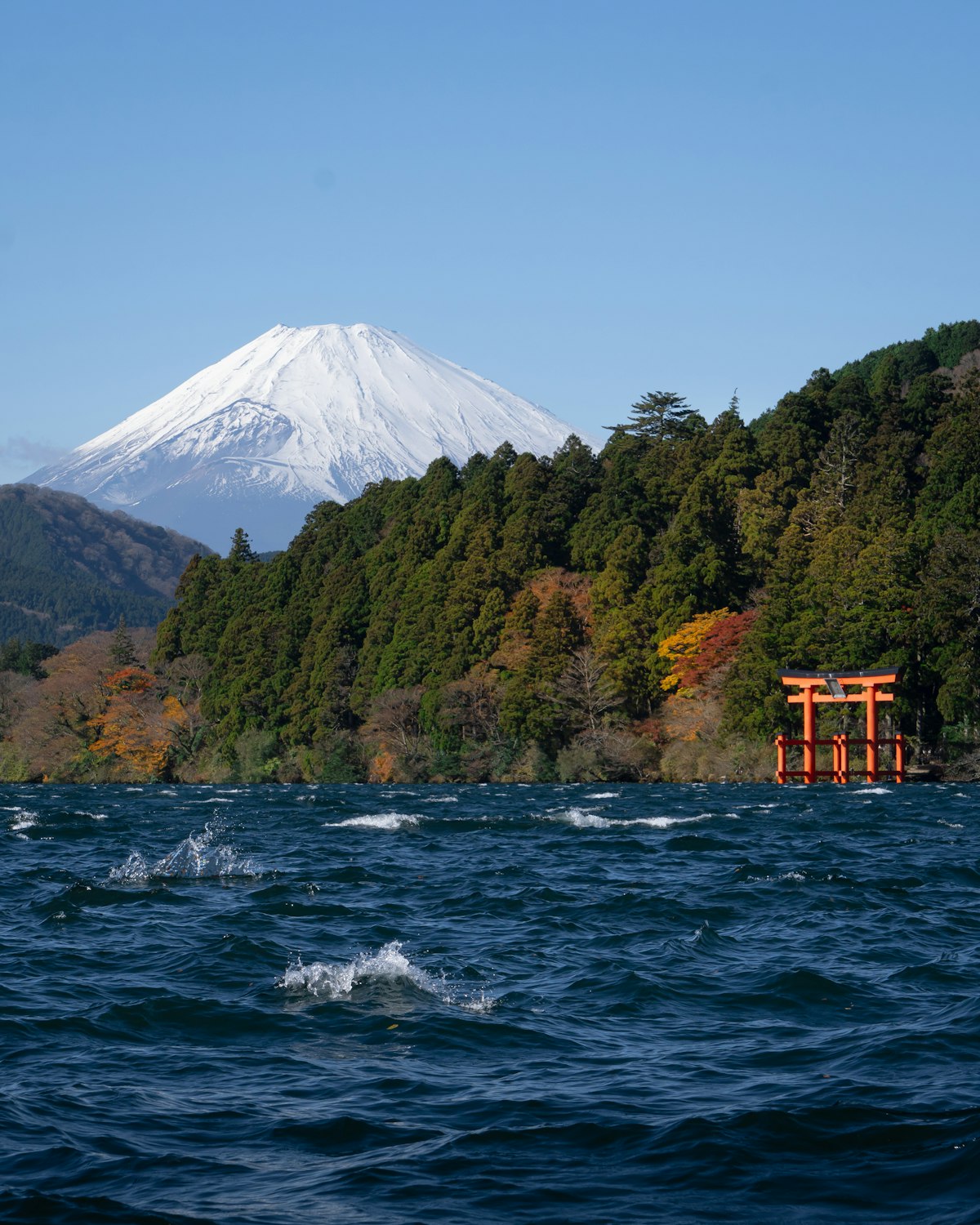
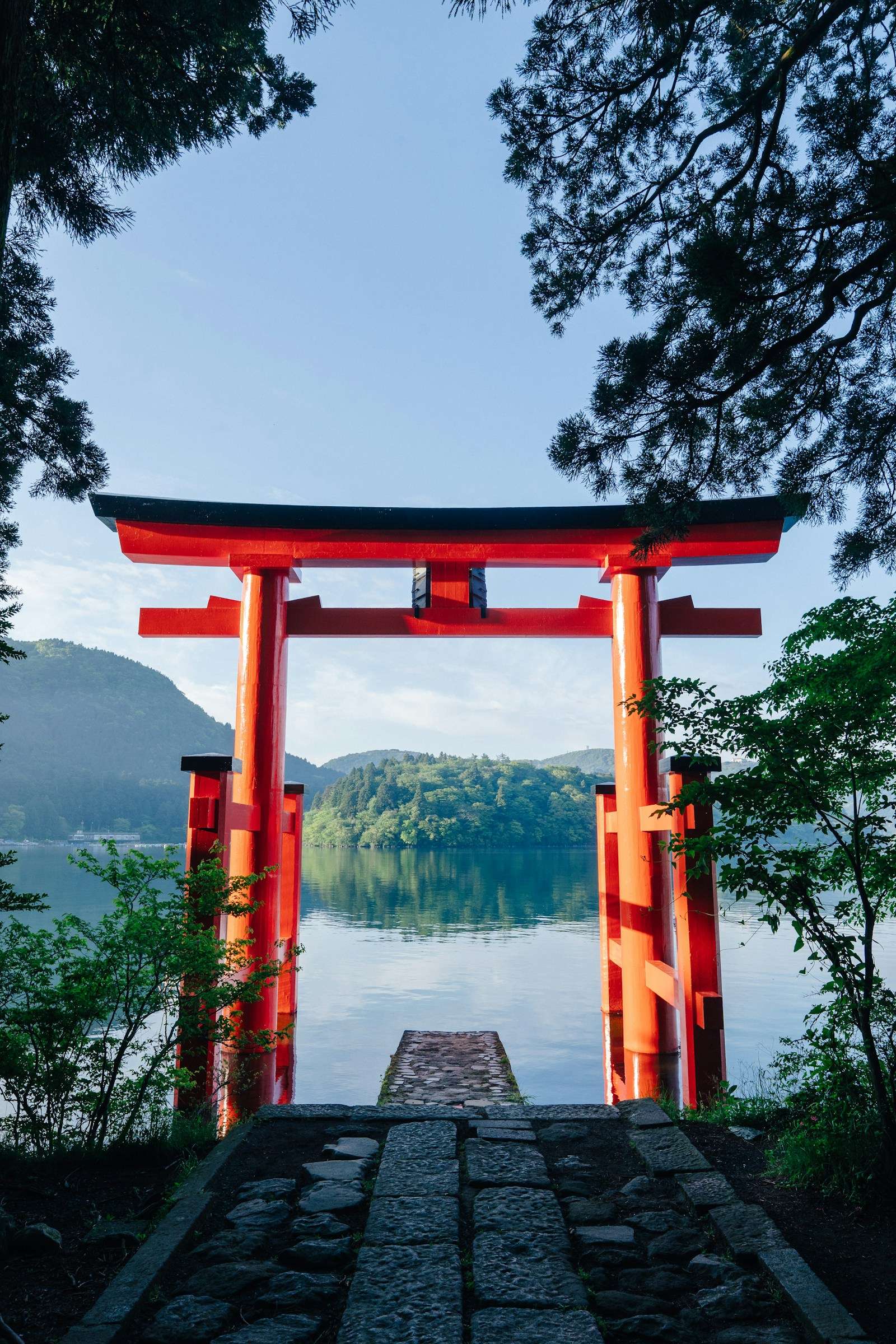
Mount Fuji is visible from the ropeway and the lake on clear mornings and gone behind haze most afternoons, so run the loop early and treat any sighting as the bonus rather than the promise. At Moto-Hakone, the red torii of Hakone Shrine stands in the lake water below the cedar-lined shrine path, and the queue for the photo runs long by noon. Finish at Hakone-Yumoto, where the day-use onsen cluster near the station; an hour in the hot water before the train back is the correct end to the loop.
Timing It
The loop itself takes four to five hours without stops, so a 8:00 am Romancecar out of Shinjuku makes a comfortable day with time at the shrine and the onsen. Weekends and autumn-leaf season fill every segment, queues included; go midweek if the calendar allows. The Freepass also covers two days, and an overnight in a ryokan with dinner turns the same circuit into the version people actually rave about. Everything else within reach of the city is ranked on the Tokyo day tours page.
Frequently Asked Questions
What does the Hakone Freepass cover?
The full Hakone loop from Odakyu: the Tozan mountain railway, the cable car, the ropeway, the Lake Ashi sightseeing boats, and the local buses, plus discounts at sights and onsen. The Romancecar reserved express from Shinjuku takes a small supplement.
Which direction should you ride the Hakone loop?
Railway up from Hakone-Yumoto to Gora, cable car and ropeway over Owakudani, boat across Lake Ashi, bus back. That order puts the ropeway, the Fuji viewpoint, in the clear morning hours.
Can you see Mount Fuji from Hakone?
On clear mornings, yes, from the ropeway and the lake. Haze hides it most afternoons and many whole days, so plan the loop early and treat a sighting as a bonus.
What is Owakudani?
The active volcanic valley the ropeway crosses: sulfur vents, steaming rock, and stalls selling eggs blackened in the springs. Ropeway sections close when gas levels rise, with buses bridging the gap; hakonenavi.jp posts the status.
Is Hakone doable as a day trip from Tokyo?
Yes. About 90 minutes each way from Shinjuku and four to five hours for the loop, so an 8:00 am start makes a full comfortable day. The two-day Freepass and a ryokan night make the unhurried version.