Tokyo Day Tours
I’m Serious Day Tour Man AI, your day trip expert. Ask me anything — where to go, how to get there, and what’s actually worth your day.
Tokyo’s day trips cover a remarkable range. An hour south sits a seaside town of Zen temples and a giant bronze Buddha. Two hours north stands a shrine complex so ornate it took an army of carvers. To the west rises Mount Fuji, which comes with the most important honest note in the region: the mountain decides whether you see it, not you. Even Kyoto is in range, thanks to a bullet train that covers the distance in just over two hours.
Two booking traps sit inside Tokyo itself. Ghibli Museum tickets go on sale at 10 a.m. Japan time on the 10th of each month for the following month, and they sell out almost immediately — there are no door tickets. Sumo runs on a calendar: Tokyo’s grand tournaments are in January, May, and September, and seats book ahead.
Here’s what’s worth a day, with real times and honest trade-offs.

Popular Day Trips

Hakone
The transport loop is the attraction — railway, ropeway, boat, bus

Nikko
Ieyasu’s mausoleum in a cedar forest, two hours north

Kamakura
Temples, the bronze colossus, and a tram that skims the beach

Mount Fuji & Kawaguchiko
Mornings clearest, cold months best — two hours west

Kawagoe
Little Edo’s warehouse street, thirty minutes from Ikebukuro
Hakone
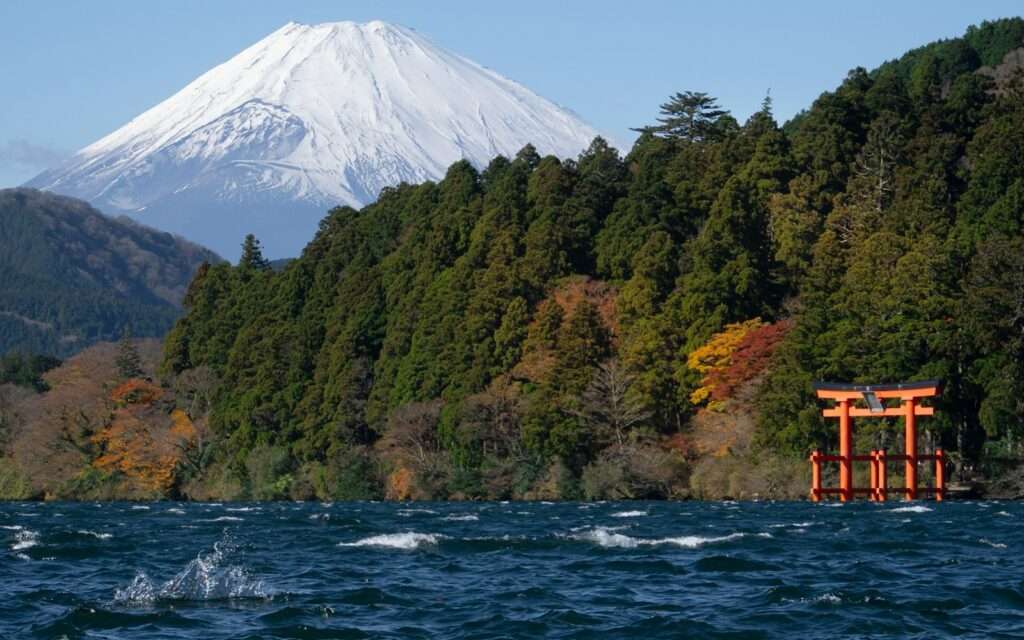
Hakone is the classic Fuji-country day, ninety minutes southwest. It’s really a loop rather than a place. The established circuit runs: switchback railway up the mountain, cable car, then ropeway over the volcanic Owakudani valley — sulfur steam and black eggs boiled in the springs; eat one, it’s the ritual — then a frankly ridiculous pirate ship across Lake Ashi, and back. The Hakone Open-Air Museum, with Picassos and sculpture set in mountain meadows, is the cultural anchor. An onsen soak is the correct ending.
Buy the Hakone Freepass. It covers the whole circuit and is one of Japan’s great travel bargains.
One honest caveat: the famous view of Fuji over the lake depends entirely on weather. Clear winter days deliver it reliably; summer haze hides it for weeks at a time. Do Hakone for Hakone, and treat the mountain’s appearance as a bonus, not the contract.
Nikko
Nikko, two hours north, holds the grandest single sight within reach of Tokyo. Toshogu is the mausoleum of Ieyasu, the shogun who unified Japan, and it’s a UNESCO complex where the usual Japanese restraint is deliberately, gloriously abandoned. One gate alone carries five hundred carvings. Gold leaf covers acres. The original see-no-evil monkeys are carved over the stable.
Around the shrine: the Shinkyo sacred bridge and the cedar-lined approach. If you make a full day of it, drive the switchbacks behind town to Kegon Falls and Lake Chuzenji — spectacular in autumn and much quieter than the shrines.
This is the day trip that justifies a guide. Toshogu’s carvings are a language, and a good guide reads them aloud. Autumn foliage peaks mid-October to early November at the higher elevations, and everything books up for it.
Read the full Nikko day-trip page.
Kamakura
Kamakura is the easiest essential: under an hour south by ordinary train. It was Japan’s medieval capital and is now its most likeable seaside temple town.
The Great Buddha of Kotoku-in is the icon — thirteen meters of bronze, sitting open to the sky since a tsunami took his hall five centuries ago. Pay the few extra yen to duck inside him. Then: Hasedera’s hillside gardens and eleven-headed Kannon, the Zen calm of Engakuji one stop up the line in Kita-Kamakura, and the bamboo grove at Hokokuji, where matcha is served facing the stalks.
Finish on the Enoden, the rattling little electric railway that runs between houses and along the beach to Enoshima island. The ride is half the charm of the day. Kamakura works comfortably without a tour, and hikers should take the Daibutsu trail between the temple valleys.
Read the full Kamakura day-trip page.
Mount Fuji & Kawaguchiko
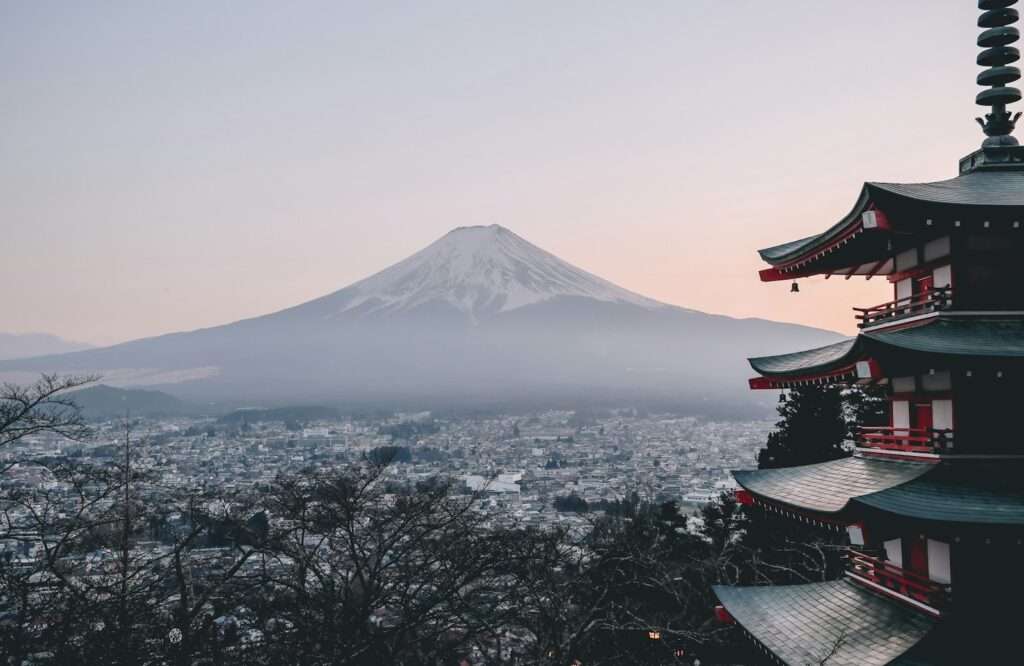
Kawaguchiko, about two hours west in the Fuji Five Lakes, is the direct approach to the mountain. The viewpoints: the lake’s north shore, the ropeway above it, and the Chureito Pagoda — the five-story pagoda with Fuji behind it, the most photographed frame in Japan, 400 steps up.
Visibility follows the season. Winter mornings show the mountain reliably. From June through September, Fuji spends most days wrapped in cloud, and tour buses full of people arrive, photograph the cloud, and leave. If your schedule allows it at all, check the forecast and go on the clear day, not the scheduled one.
Two things people confuse. Climbing Fuji is a separate enterprise entirely: the official season runs July to early September, and it’s an overnight-at-the-eighth-station endeavor, not a day-trip add-on. And the “Fuji 5th Station” stop that many tours feature is a souvenir plaza partway up the mountain. You cannot see Fuji from it, because you are standing on Fuji. Know which experience you’re booking.
Read the full Mount Fuji & Kawaguchiko day-trip page.
Kyoto by Shinkansen — The Stretch
The bullet train covers Tokyo to Kyoto in about two and a quarter hours, which makes the old capital a real day trip. Leave on an early train and you have roughly eight hours: Fushimi Inari’s torii tunnels first, before the crowds and the heat, then the Kiyomizu-dera hillside, an hour in the Gion lanes, and one temple garden before the evening train back.
Be honest about what this is: a taste, not a visit. Kyoto rewards days, not hours. But as a now-or-never option it delivers, and the shinkansen itself is part of the show — reserve an E seat on the right side heading west, and Fuji appears around Shin-Fuji station on clear days. If your itinerary can give Kyoto its own nights, skip the day-trip version and go properly.
Senso-ji, the Ghibli Museum & the City
The Ghibli Museum in Mitaka sells tickets in advance only. They’re released at 10 a.m. Japan time on the 10th of each month for the following month, and they sell out almost immediately. If Miyazaki matters in your household, set an alarm for the release date before your trip — this is not a decision you can make after you land.
Sumo follows the calendar. Tokyo’s grand tournaments run in January, May, and September; book seats ahead, and stay for the late-afternoon top-division bouts. In the off months, early-morning practice visits at training stables are the authentic substitute — arrange them through reputable tours that include an etiquette briefing.
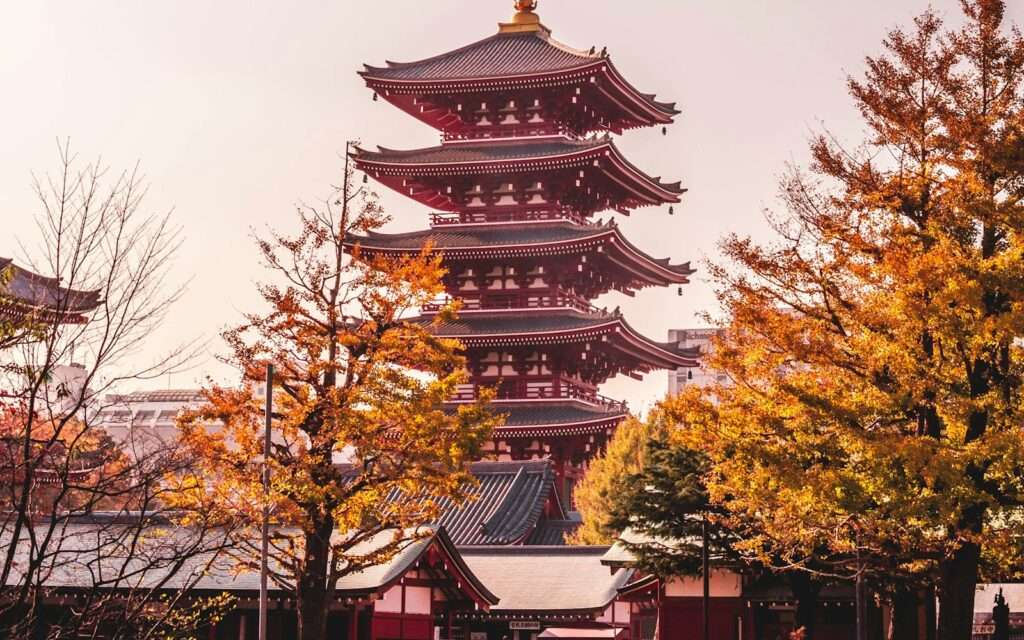
The timing trick is Senso-ji. Tokyo’s oldest temple is a crush by 10 a.m. and a lantern-lit, nearly empty world before 8. Go early, then have breakfast in Asakusa. The rest of the city plays well without reservations: the Shibuya crossing (see it once from inside, once from above), Tsukiji Outer Market for a grazing breakfast, and teamLab’s digital art, which needs advance booking and is worth its hype. For the evening, pick a yokocho alley under the train tracks — Omoide Yokocho or Ebisu. The izakaya are tiny, the smoke is delicious, and pointing at what your neighbor ordered is a complete ordering system.
Full day-trip pages: Kawagoe.
Frequently Asked Questions
When can you actually see Mount Fuji?
Winter is the reliable season — cold, clear mornings show the mountain for days at a stretch. From June through September it hides in haze and cloud more often than not. Keep your Fuji day flexible and spend it on the clear morning.
Is Hakone or Kawaguchiko better for Fuji?
Kawaguchiko is closer, with the classic pagoda-and-lake views. Hakone is the better all-around day — the loop, the museum, the onsen — with Fuji as a possible bonus. Choose Hakone for the day, Kawaguchiko for the mountain.
Can you do Kyoto in a day from Tokyo?
Yes — 2¼ hours each way by shinkansen leaves about eight hours. Fushimi Inari early, Kiyomizu-dera, and Gion make the realistic circuit. It’s a taste, not a visit; give Kyoto its own nights if your trip allows.
How do I get Ghibli Museum tickets?
Advance only. They’re released at 10 a.m. Japan time on the 10th of each month for the following month, and they sell out almost immediately. Set an alarm for the release; there are no door tickets.
Is Kamakura worth a day trip from Tokyo?
The easiest yes in the region — under an hour by train for the Great Buddha, hillside temples, a bamboo grove with matcha, and the seaside Enoden railway home. It’s comfortably done without a tour.